

Retail and e-commerce
Grocery, supermarkets and FMCG retail
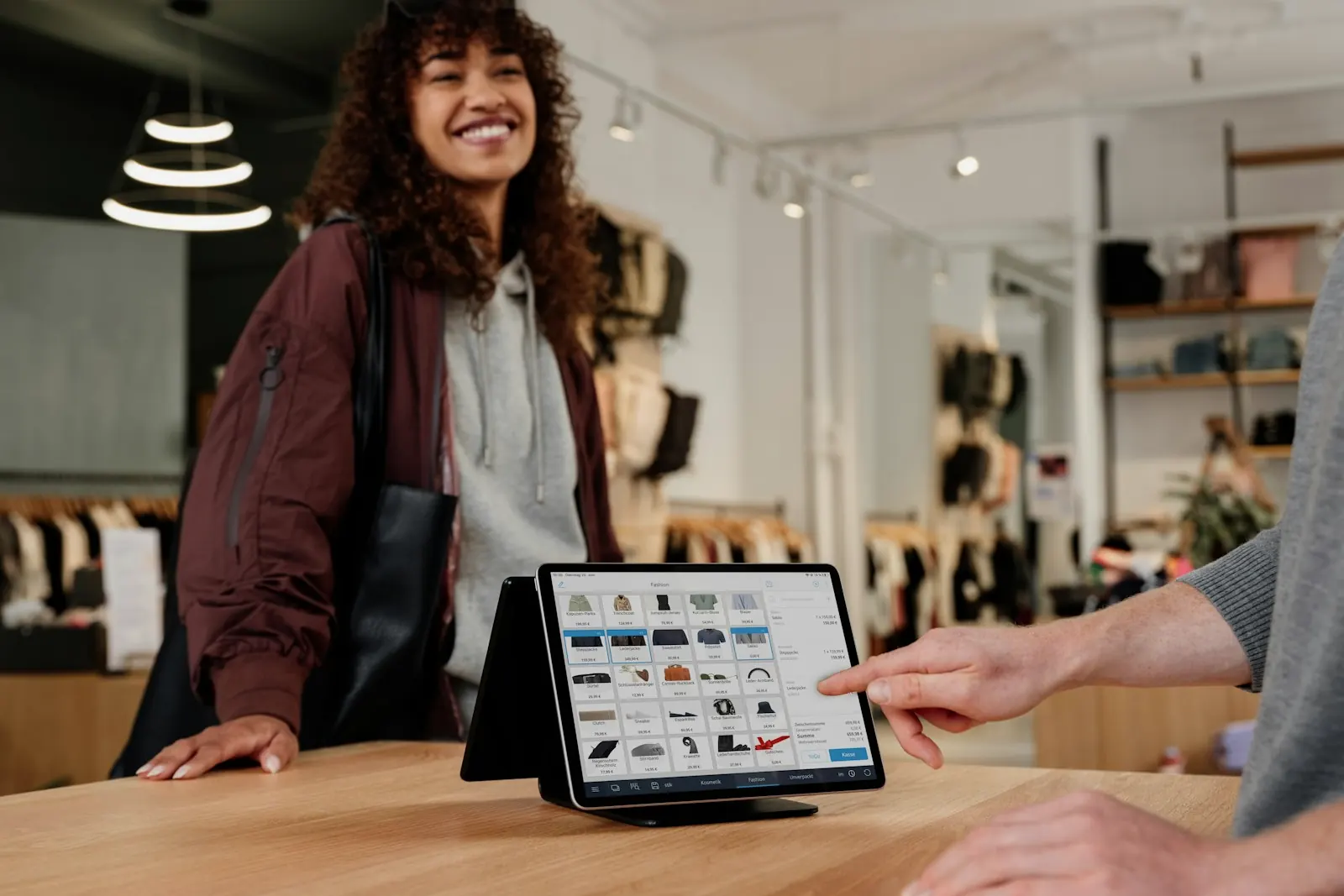
Fast billing at busy tills, weighed and packed goods, expiry control and replenishment from daily sales.
The problem
What breaks today, and what we usually build
What breaks today
Queues build because the till is slow and weighed items are keyed in by hand. Near-expiry stock is found on the shelf too late, and store managers reorder by walking the aisles.
What we usually build
Point of sale that bills quickly with scale integration, batch and expiry tracking, replenishment from sales velocity, and promotions and schemes run centrally.
Automations worth building
Reorders suggested from daily sales and stock cover, near-expiry markdowns applied by date, and supplier schemes calculated from purchases and sales.
What we measure in discovery
Billing time per customer, stock written off as expired, out-of-stock items on fast movers.
Systems it usually connects to
- Weighing scales and label printers
- Quick-commerce and delivery apps
- Payment terminals and UPI
- Distributor ordering portals
- Electronic shelf labels
Rules
Rules your systems have to follow
What each rule means for your systems. Your counsel and accountants confirm what applies to you; we build the controls and reports.
FSSAI registration and labeling (India)
Food retailers hold an FSSAI registration or license per store, and packed food must show batch and best-before details, so the system should track expiry by batch and store license details.
Legal Metrology (India)
Weighing scales must be verified and stamped, and packaged goods show the retail price and quantity, so scale integration and product labels should come from the system of record.
SNAP EBT acceptance (US)
Authorized retailers accept SNAP benefits only for eligible items, so the point of sale must flag eligible products and split the tender correctly.
Where we fit
We fit supermarkets and grocery chains that need fast tills, expiry control and replenishment in one system. We do not run category management or supplier negotiations; we provide the sales and stock data behind them.
Modules
The business modules we usually start with
- Point of SaleStore tills that keep selling when offline
- Inventory & WarehouseBarcode bin tracking across every warehouse
- Purchase & VendorsRFQs, approvals and contracted vendor rates
- Accounting & FinanceLedgers, reconciliation and multi-entity reporting
- Intelligent Invoice Processing & 3-Way MatchAI automation with human approval
- Automated Exception Routing & Approval EnginesAI automation with human approval
Platforms
Platforms that usually fit
Odoo point of sale for single stores and regional chains; Dynamics 365 for larger chains with central distribution; ERPNext for smaller stores on a tight budget.
- 01 Odoo Enterprise A modular, highly customizable all-in-one business ERP
- 02 Microsoft Dynamics 365 Deep integration with Microsoft 365, Azure, and enterprise supply chain ecosystems
- 03 ERPNext & Frappe Clean, framework-first open-source ERP where you keep full control of data and code
- Not sure which one? Compare platforms side by side · Platform selection
Client work
Related client work
Published with client consent.
Where to start
Fixed-scope offers to begin with
Each ends with a written deliverable you can use with any vendor, including us.
More in Retail and e-commerce
Other retail and e-commerce sectors
- Electronics retailSerial and IMEI tracking from purchase to sale, warranty and repair records per unit, and finance offers at the till.
- Fashion and apparelSize and color variants, season-based buying and markdowns, and stock moved to the stores where each size sells.
- Furniture and homeMade-to-order and stocked items sold together, delivery and installation scheduled, and customer advances tracked per order.
- JewelryPieces tracked by weight, purity and hallmark ID, priced from the day's metal rate, with old gold exchange handled at the counter.
FAQ
Questions about grocery and FMCG projects
Fit, rules, platforms and where to begin.
Ask us directlyCan the till read weight directly from the scale?
Yes. Supported scales send weight to the point of sale, or print barcodes with weight and price that the till reads, so nothing is keyed in by hand.
Will the till keep billing if the internet drops?
Yes, with an offline-capable point of sale. Sales are stored locally and synced when the connection returns, so stock and accounts catch up without lost bills.
Which platform fits grocery, supermarkets and FMCG retail?
Odoo point of sale for single stores and regional chains; Dynamics 365 for larger chains with central distribution; ERPNext for smaller stores on a tight budget. We confirm the fit in a platform selection, with written reasons for and against each option.
Where do we start?
With the Operations & Systems Diagnostic: find out what is really slowing the operation down. It ends with a written deliverable you can use with any vendor, including us.
Next step
Not sure what to fix first?
Book a 30-minute consultation. We look at how your operation runs and tell you what we would do first, including when the answer is a simpler tool.