

Industries
Logistics and supply chain
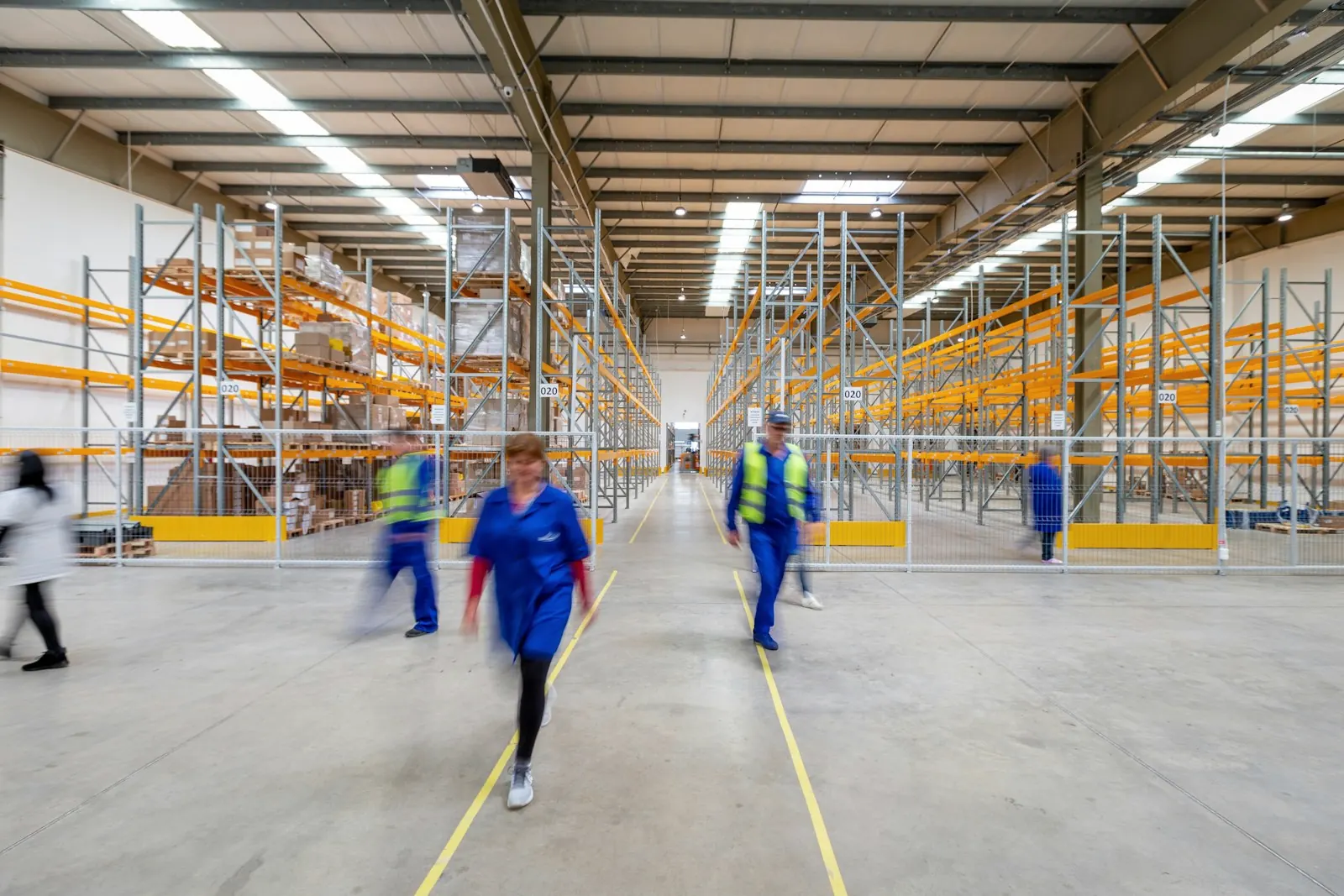
Shipments, warehouses, vehicles and customer billing in one record, fed by the tracking and routing tools you already run.
The problem
What breaks today, and what we usually build
What breaks today
Shipment status lives in a carrier portal, costs in a spreadsheet and invoices in the accounts, so billing waits on paperwork and margin per shipment is a guess. Customers call for updates the team has to look up in three places.
What we usually build
An operations and billing layer that brings bookings, warehouse movements, trips and proof of delivery together, with charges and costs captured per shipment and invoices raised as soon as the work is done.
Automations worth building
Invoices raised from proof of delivery, carrier bills matched against agreed rates, and exceptions such as delays or temperature breaches routed to the right person.
What we measure in discovery
Days from delivery to invoice, margin known per shipment or customer, customer status calls per week.
Where we fit
We fit logistics firms that need operations, billing and customer service joined up. We do not build route-optimization engines or telematics hardware; we integrate them.
Sectors
Sector by sector
Each page covers the rules your systems must follow, the systems they connect to and where we would start.
- Cold chainTemperature records tied to each batch and shipment, expiry-led picking and breaches handled before the goods are dispatched.
- Fleet managementTrips, fuel, tires, maintenance and driver records tied to each vehicle, with cost per trip known when the trip ends.
- Freight forwardingJob files that carry quotes, bookings, documents, costs and invoices for every shipment across air, ocean and road.
- Last-mile deliveryOrders, riders, cash on delivery and failed attempts tracked from pickup to proof of delivery and payout.
- WarehousingBin-level stock per client, barcode receiving and picking, and storage and handling billed from what actually moved.
Modules
The business modules we usually start with
Each module page covers capabilities, automations, the approach map and what we need from your team.
- Inventory & WarehouseBarcode bin tracking across every warehouse
- Sales & QuotationQuotes built from price lists, not scratch
- Accounting & FinanceLedgers, reconciliation and multi-entity reporting
- CRMEvery inquiry routed, every follow-up tracked
- Helpdesk & SupportOne queue for email, portal and chat
- Automated Exception Routing & Approval EnginesAI automation with human approval
- Intelligent Invoice Processing & 3-Way MatchAI automation with human approval
- AI Customer Support AgentsAI automation with human approval
Platforms
Platforms that usually fit
Odoo or Dynamics 365 Business Central for warehousing, billing and accounts; Salesforce or Zoho for customer accounts and service; a custom build where operations are specialized and no package fits.
- 01 Odoo Enterprise A modular, highly customizable all-in-one business ERP
- 02 Microsoft Dynamics 365 Deep integration with Microsoft 365, Azure, and enterprise supply chain ecosystems
- 03 Salesforce Revenue Cloud Built for high-volume sales pipelines and complex CPQ
- Not sure which one? Compare platforms side by side · Platform selection
Client work
Related client work
Published with client consent.
 Case study · Industrial distribution
Multi-country on one cloud platform A Singapore supplier moves multi-country, multi-currency operations to the cloud
 Case study · Wholesale
Two-way API sync, ops to accounts Killing manual re-entry between operations and accounts with a two-way API bridge
 Case study · FMCG and cold-chain distribution
96% of orders fulfilled the same day Batch tracking and supplier orders for a temperature-controlled distributor
Where to start
Fixed-scope offers to begin with
Each ends with a written deliverable you can use with any vendor, including us.
FAQ
Questions about logistics projects
Platforms, modules, measures and where to begin.
Ask us directlyWhich platform fits logistics and supply chain?
Odoo or Dynamics 365 Business Central for warehousing, billing and accounts; Salesforce or Zoho for customer accounts and service; a custom build where operations are specialized and no package fits. We confirm the fit in a platform selection, with written reasons for and against each option.
Which modules do you usually start with?
Inventory & Warehouse, Sales & Quotation, Accounting & Finance, CRM and Helpdesk & Support. The diagnostic decides the order.
What do you measure before changing anything?
Days from delivery to invoice, margin known per shipment or customer, customer status calls per week. We record a baseline during discovery so the change can be measured against it.
Where do we start?
With the Operations & Systems Diagnostic: find out what is really slowing the operation down. It takes 1–2 weeks and ends with a written report you can use with any vendor.
Next step
Not sure what to fix first?
Book a 30-minute consultation. We look at how your operation runs and tell you what we would do first, including when the answer is a simpler tool.